
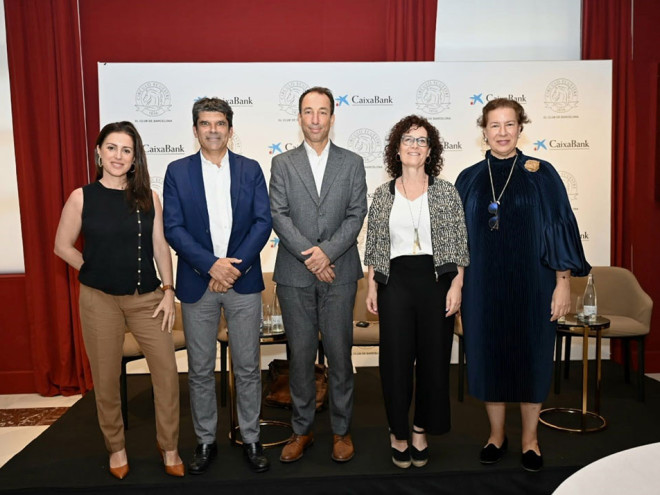
La Comisión de Impacto del Círculo Ecuestre, con el apoyo de CaixaBank, ha celebrado el jueves, 8 de julio, la III Sesión del ciclo Turismo, Movilidad y Alimentación. Bajo el título El suelo como activo estratégico, el encuentro ha reunido a una mesa de expertos de alto nivel formada por Laia Mas, experta en impacto agroalimentario, responsable del proyecto Lleida Alimenta de la Fundación Comunitaria Raimat Lleida y fundadora de Massalmones; Candi Cervera, director general de Cerestia Iberia de Mat Holding; Anna Pallí, jefa de la Oficina de Vigilancia Tecnológica del IRTA; y Daniel Schneiders, director del Programa Climático de Bayer.
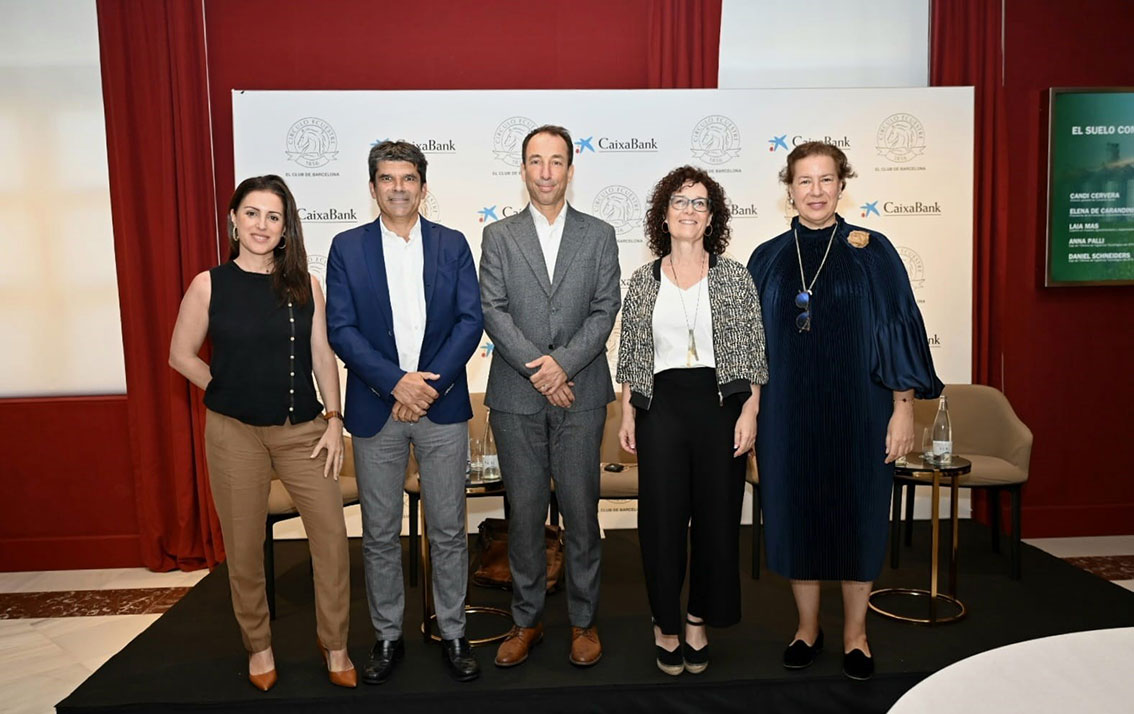
La jornada ha comenzado con la bienvenida de Elena de Carandini, presidenta de la Comisión de Impacto del Círculo Ecuestre y presidenta de la Fundación Comunitaria Raimat Lleida, quien ha agradecido a los ponentes, a CaixaBank y al Institut Català Agrícola de Sant Isidre su apoyo para abrir el foco hacia el futuro de la agricultura y la economía, poniendo el suelo como activo estratégico.
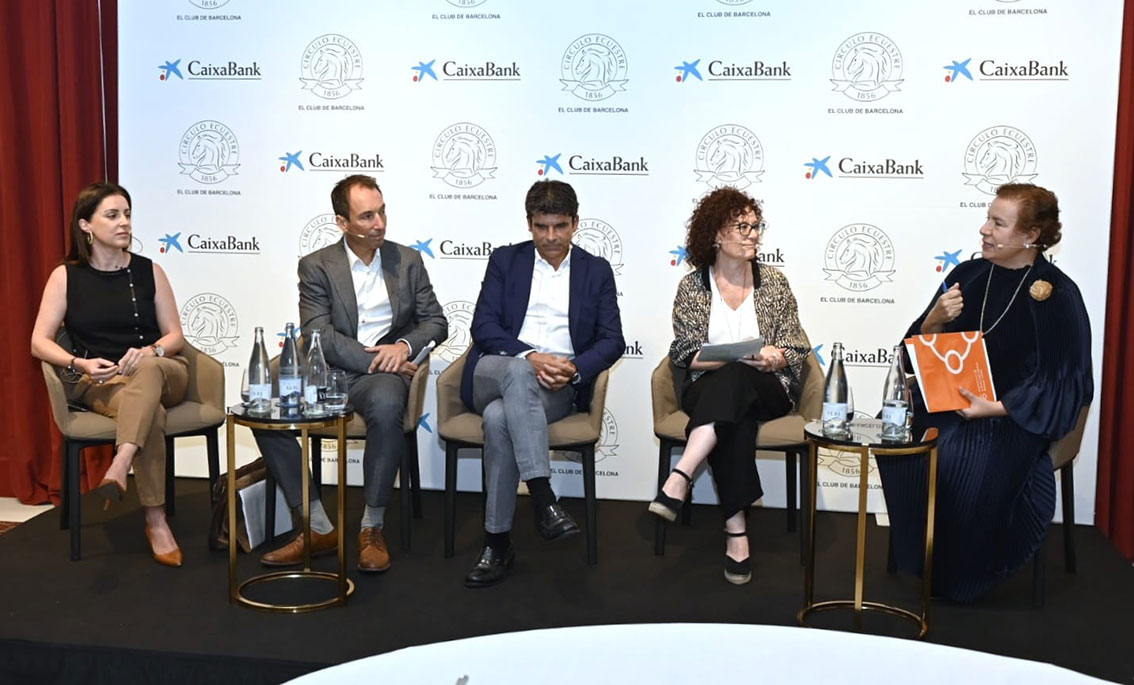
Daniel Schneiders, director del Programa Climático de Bayer, ha iniciado su intervención subrayando la ambición de la compañía de alcanzar la neutralidad climática en 2030, y ha recordado que la agricultura sostenible debe ir más allá de reducir emisiones: “El suelo sano es la base para una agricultura colectiva. Apoyamos a las asociaciones para trabajar juntos, compartir conocimientos y recursos, y desarrollar acciones que beneficien tanto a los agricultores como al medio ambiente”.
Por su parte, Anna Pallí, responsable de la Oficina de Vigilancia Tecnológica del IRTA, ha señalado la importancia de empezar a comprender el papel clave del suelo en el cambio climático y la producción alimentaria: “El 95% de los alimentos que consumimos dependen del suelo, que además tiene una triple función: secuestrar carbono, almacenar agua y sostener la vida”. Además, ha recalcado la necesidad de políticas de gestión adecuadas y de facilitar la innovación tecnológica para que llegue a los agricultores, especialmente en Cataluña, donde el suelo cultivable es un recurso escaso y valioso. La representante de IRTA también ha insistido en que “debemos tomar consciencia de que suelos sanos y la biodiversidad funcional son la base de cualquier sistema alimentario”.
Candi Cervera (Cerestia Iberia) ha puesto el foco en la rentabilidad de la agricultura: "La agricultura tiene que ser sostenible económicamente para serlo ambiental y socialmente”. El director general de Cerestia Iberia (el área agro de MatHolding) señala que “la digitalización, la formación y la inversión son palancas necesarias para revertir la degradación del suelo agrícola y atraer nuevas generaciones al campo”. Cervera ha continuado destacando la importancia económica de la agricultura, que en Catalunya representa el 20% del PIB y es el tercer sector exportador de España.
Laia Mas, responsable del proyecto Lleida Alimenta de la Fundación Comunitaria Raimat Lleida, ha compartido su visión del proyecto como un cambio de paradigma impulsado desde el territorio, con la cooperación de empresas, cooperativas, centros tecnológicos, sociedad civil y administraciones públicas. “En los próximos 10-15 años podemos estar perdiendo entre un 20 y un 30% de los cultivos esenciales. No podemos seguir produciendo alimentos como si tuviéramos recursos infinitos. Necesitamos hacerlo desde una lógica regenerativa, cuidando el suelo, el agua y a las personas que los trabajan”, ha sentenciado. Asimismo, ha subrayado la importancia de generar confianza entre los diferentes actores para afrontar desafíos globales, señalando que en Lleida ya se está generando un movimiento transformador, en sintonía con las Agendas Compartidas del territorio de Lleida y la RIS3CAT.
En la recta final del coloquio celebrado en el club barcelonés, Elena de Carandini ha planteado la necesidad de aterrizar la visión estratégica en iniciativas concretas, destacando la inversión en suelo agrícola. Anna Pallí ha sido clara: “Invertir en suelo es invertir en futuro. Es garantía de calidad y seguridad alimentaria, de resiliencia climática y un recurso escaso que Europa debe proteger y regenerar”.
Cervera ha destacado el rol de Cerestia como impulsor de la transformación del sector a través de la tecnología: “En España hay 200 startups agrotech, y se enfrentan a una alta mortalidad; por eso, ayudar a que las tecnologías perduren y generen confianza entre agricultores es esencial para lograr un impacto duradero”.
El coloquio ha concluido con un animado turno de preguntas en el que los asistentes han puesto de manifiesto el creciente interés por un modelo alimentario más justo, saludable y resiliente. Como ha señalado Daniel Schneiders, “no hay sostenibilidad sin rentabilidad”, recordando que la transición ecológica debe ser también económicamente viable para consolidarse.
Con esta sesión, el Círculo Ecuestre y CaixaBank reafirman su apuesta por fomentar espacios de reflexión estratégica en torno a los grandes retos del presente y el futuro.